Microfiber fabric has become one of the most widely used materials in modern cleaning products. People make household cleaning cloths and kitchen towels from it. It also appears in car detailing towels, glass cloths and mop pads. Different microfiber constructions can serve very different cleaning tasks.
Not every microfiber fabric works in the same way.
Importers, wholesalers and cleaning product manufacturers choose fabric based on more than color or GSM. Fiber composition, knitting structure, pile height, softness, absorbency and surface texture all shape the final performance of a cleaning product.
You need to know how to pick the right microfiber fabric for your application.
This guide covers main factors buyers should look at.
Start with the Cleaning Application You should answer one question before picking any fabric.
What will the finished product clean?
Microfiber cloths for car polishing differ a lot. They are not the same as cloths for kitchen grease or glass wiping.
Common applications cover these items:
- Household cleaning cloths
- Kitchen cleaning towels
- Glass and mirror cloths
- Automotive detailing towels
- Car drying towels
- Floor cleaning and mop pads
- Bathroom cleaning cloths
- Pet cleaning towels
- Sports and general-purpose towels
Clear knowledge of end use helps you find suitable microfiber cleaning fabric easily.
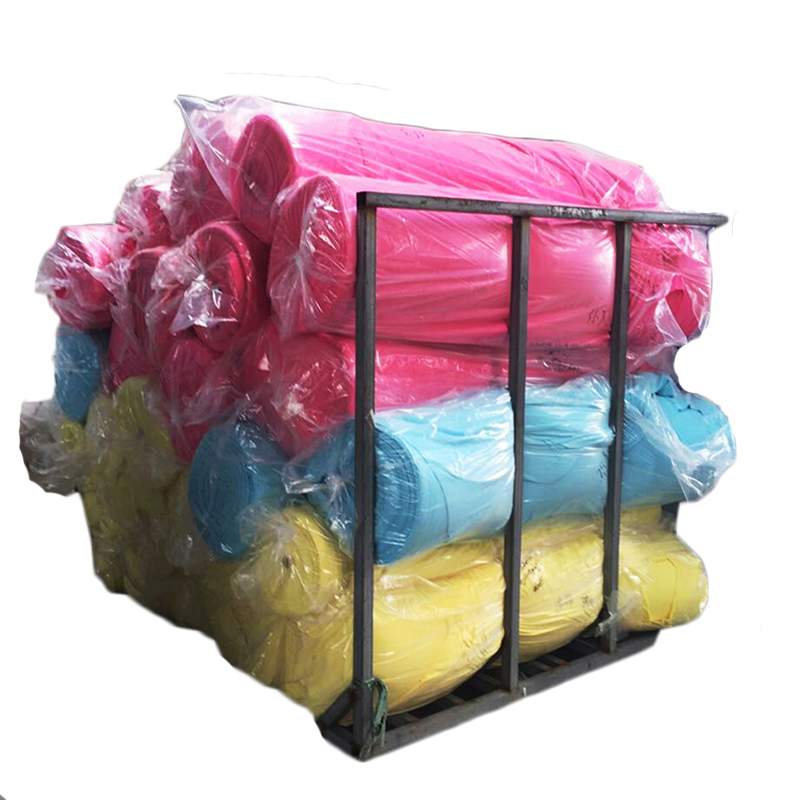
Microfiber Fabric for General Household Cleaning Buyers need fabric with balanced performance for everyday household cleaning.
The fabric needs good cleaning power. It also needs durability and reasonable cost.
Microfiber terry fabric is a very common pick.
Its looped surface picks up dust, dirt and moisture. It stays soft enough for many household surfaces. It works on furniture, countertops, appliances, bathroom surfaces and general wiping work.
A standard household cleaning fabric does not always need extremely high GSM. Medium-weight fabric fits mass-market cleaning cloths well. It balances performance and cost.
Retailers and cleaning brands can use color customization. Different fabric textures support clear product segmentation inside a cleaning range.
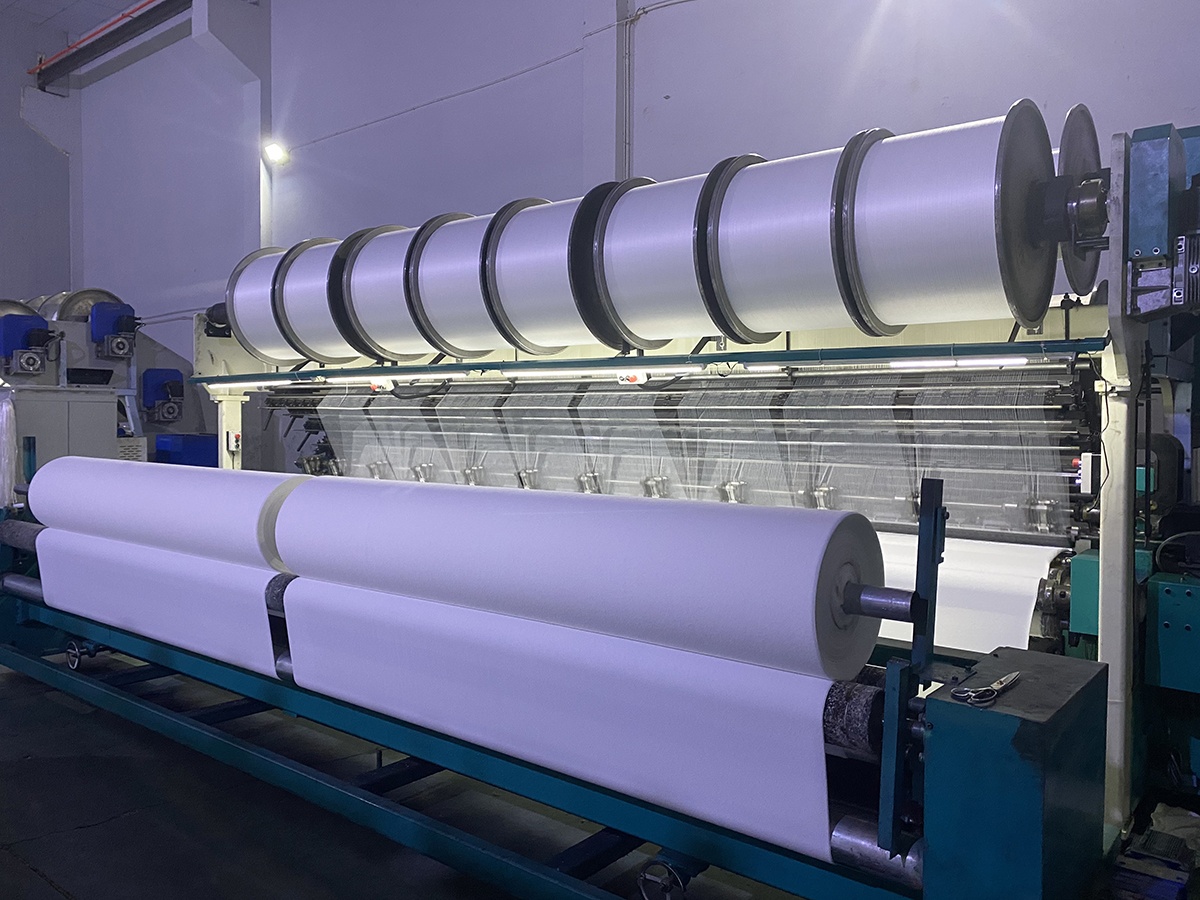
Microfiber Fabric for Kitchen Cleaning Kitchen cleaning brings unique challenges.
Cleaning cloths need to remove these substances: Oil Grease Food residue Water Fingerprints Everyday dirt
Kitchen microfiber fabric needs good wiping ability. It also needs a practical surface structure.
Terry microfiber fabrics work widely for regular kitchen cleaning. Textured or specially knitted fabrics deliver stronger mechanical cleaning performance.
The finished cloth should rinse easily. It can be reused many times.
Buyers of private-label kitchen cleaning products can make their own picks. They select different colors, fabric weights and constructions. The choices match target retail price and intended use.
Microfiber Fabric for Glass and Mirrors Glass cleaning calls for a very different surface.
Windows, mirrors, stainless steel and other smooth surfaces aim for a clean finish. People want little lint and no streaks left behind.
A short-pile or smooth microfiber fabric works better here. Thick, fluffy towels are not the best choice.
The flatter surface lets the cloth slide smoothly across glass. It cuts down visible fibers left after wiping.
Buyers should watch these points when developing glass cleaning cloths:
- Low-lint performance
- Smooth surface texture
- Fabric density
- Edge finishing
- Cleaning performance when wet or dry
Fabric consistency carries great weight for professional glass cleaning products. Small texture changes may change the user’s experience.
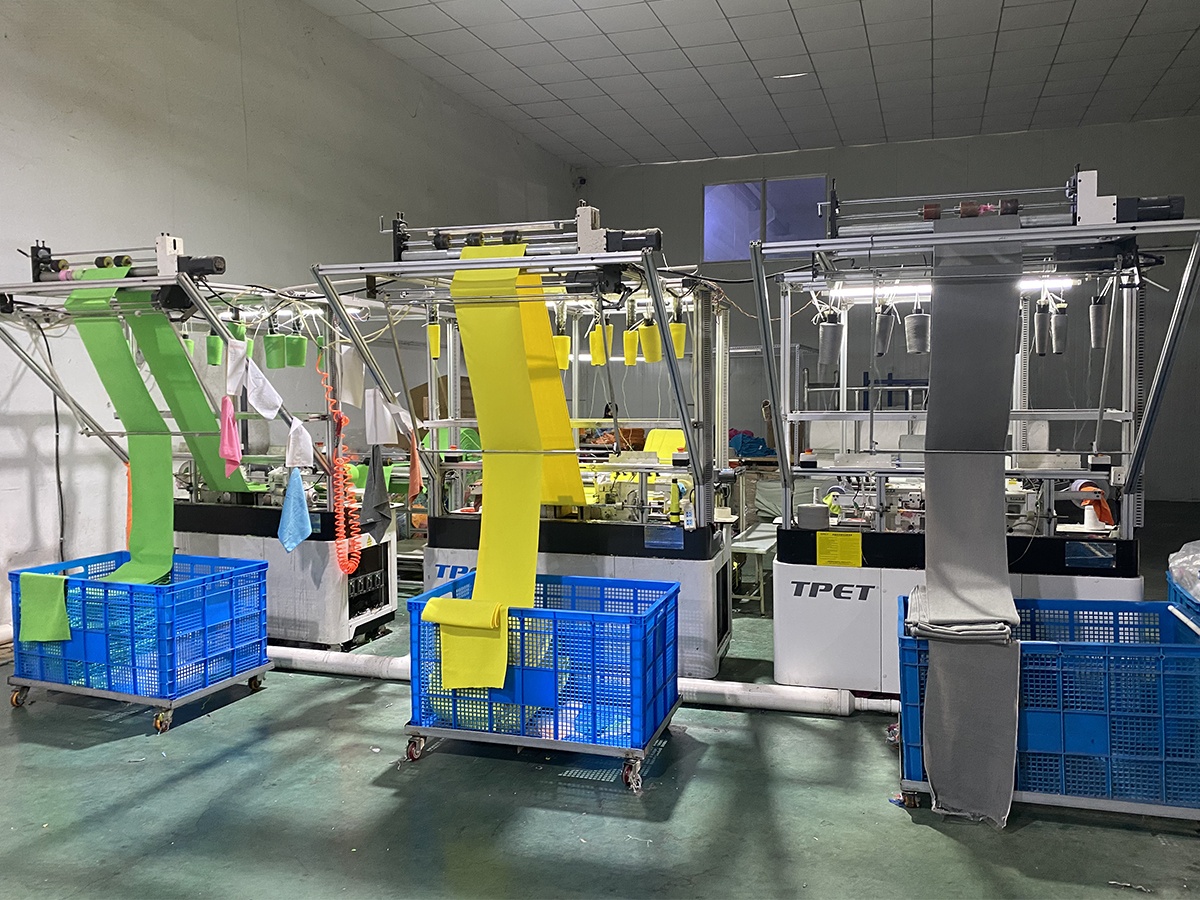
Microfiber Fabric for Car Detailing Automotive cleaning creates high demands for microfiber.
Different steps in the detailing process need fully different fabrics.
A general-purpose car cleaning towel needs good dirt pickup and softness. A drying towel needs much higher water absorption.
Microfiber terry fabric works for many general detailing jobs. It handles interior cleaning, exterior wiping and polishing.
Higher-pile or twisted-loop constructions grow popular for drying towels. They create a larger contact area. They hold more moisture.
Buyers check these points when choosing microfiber car cleaning fabric:
- Softness
- Absorbency
- Pile structure
- GSM
- Surface safety
- Durability
- Edge treatment
One microfiber fabric cannot handle every detailing task. Many automotive brands make separate products. These products cover washing, drying, polishing, glass cleaning and interior detailing.
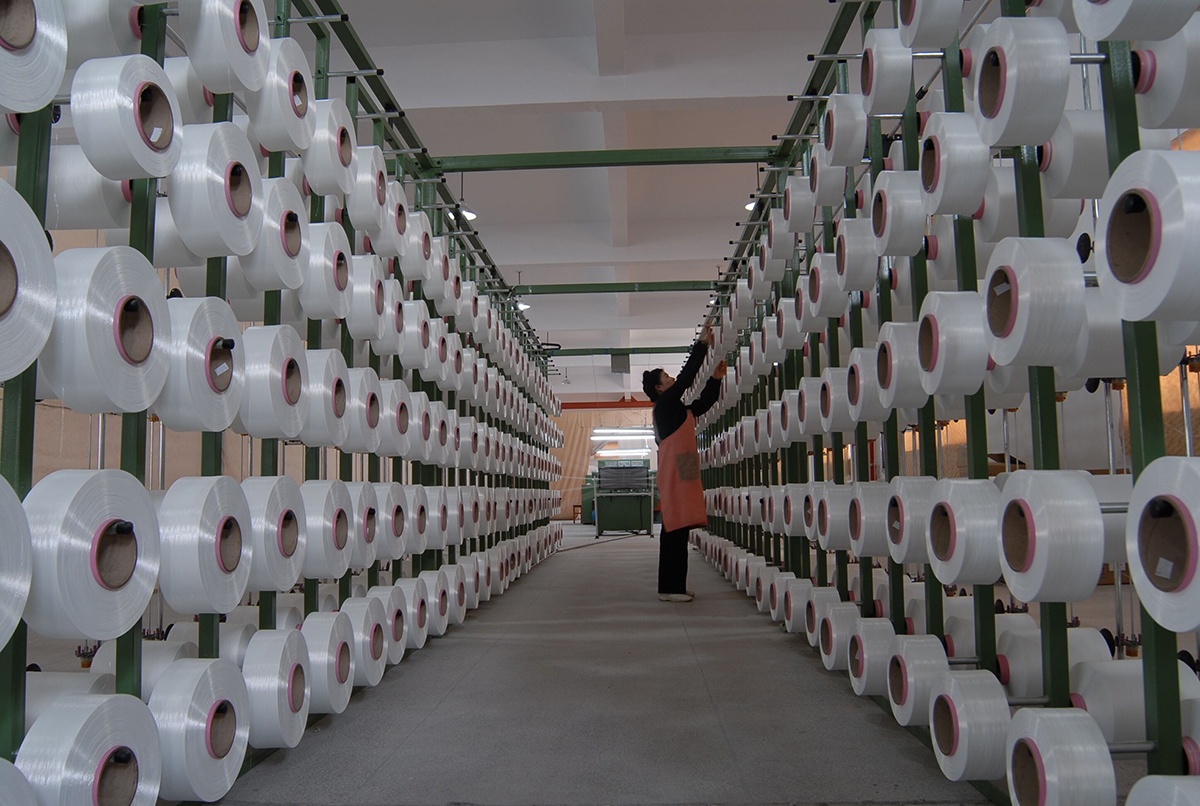
Microfiber Fabric for Floor Cleaning Floor cleaning fabrics stand up to repeated movement, pressure and washing.
Mop fabrics need greater durability than standard hand cloths. Their structure catches fine dust and larger particles.
Different knitted textures improve contact with the floor.
Manufacturers create floor cleaning microfiber fabric for these uses:
- Flat mops
- Spray mops
- Steam mop pads
- Reusable mop covers
- Household floor cleaning systems
Manufacturers look at more than the fabric itself for this category. They check ways to laminate, sew or combine the fabric with other materials in the finished mop pad.
GSM Is Important, but It Is Not Everything GSM means grams per square meter. People use it to describe fabric weight.
Buyers often use GSM to compare microfiber fabrics quickly. A higher GSM does not mean better quality automatically.
Two fabrics with the same GSM can perform in different ways. Yarn, knitting structure, pile height and finishing cause these differences.
A lighter microfiber fabric fits glass cleaning. A heavier fabric works better for drying or premium detailing.
Buyers should not only ask this question: “What GSM is this fabric?”
Buyers should ask this instead: “Which fabric construction is most suitable for my product?”
This method stops you from picking unnecessarily heavy or expensive material.
Consider the Fabric Structure Fabric structure shapes the look and performance of microfiber fabric.
Common types include terry fabric, long-short pile fabric, smooth knitted fabric, textured fabric and twisted-loop fabric.
Each structure creates a different user experience.
A long pile brings a plush feel and bigger surface area. A shorter pile supports more controlled wiping. Textured structures boost scrubbing performance. Smooth surfaces remain popular for glass and polishing work.
Experienced buyers test several fabric samples. They confirm production only after these checks.
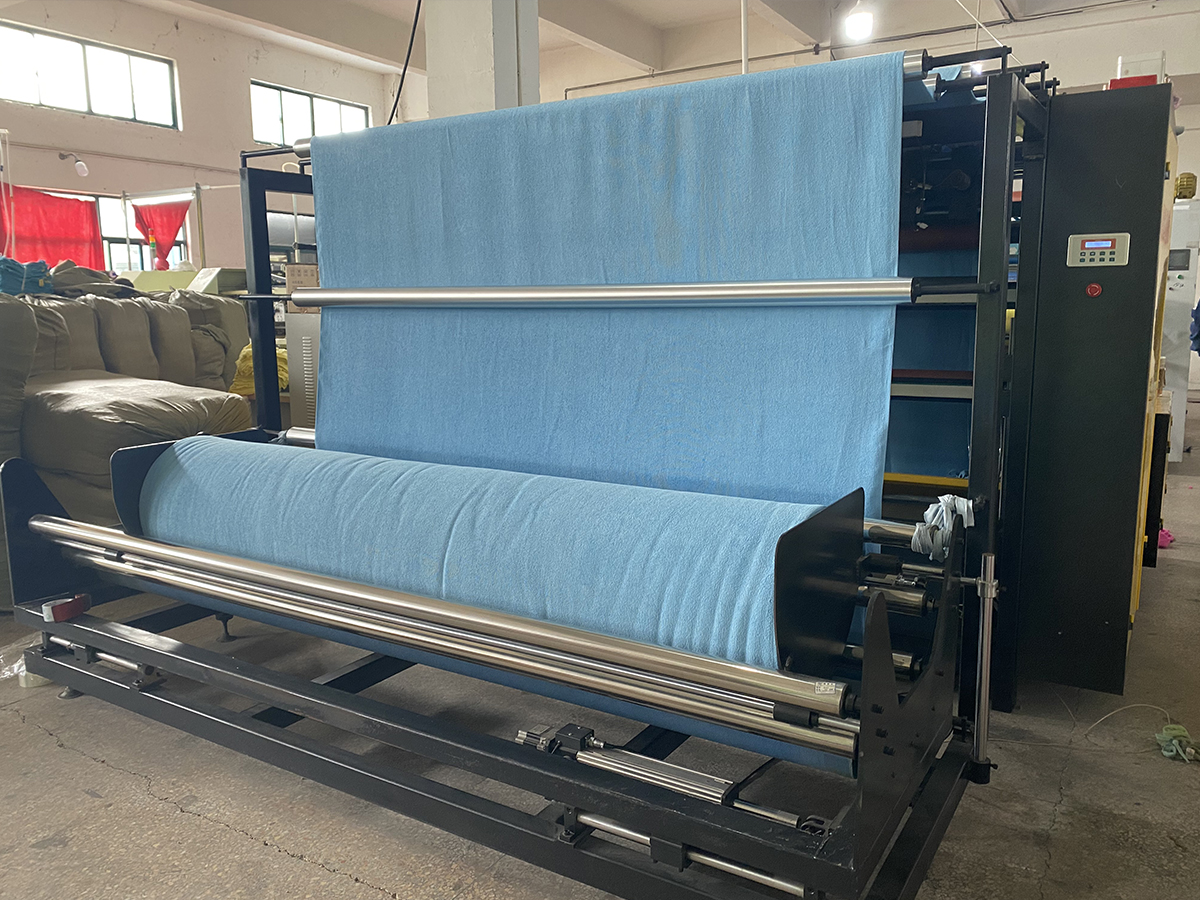
Think About the Finished Product, Not Just the Fabric Roll You need to look at finished products when sourcing microfiber fabric. You see how raw fabric turns into a complete cleaning product.
You need to answer these questions:
- What size will the finished cloth be?
- Will it be ultrasonically cut or sewn?
- Does the product require rounded corners?
- Will a label or logo be added?
- Is the fabric combined with sponge, mesh or another material?
- What packaging will be used?
- Is the product positioned for retail, professional cleaning or automotive detailing?
These details help pick the most suitable fabric construction and weight.
Talk with your microfiber fabric supplier about the finished product at an early stage. This talk cuts down unnecessary sampling and development time.
Customization Helps Build a Complete Product Range Customization matters as much as fabric performance for importers and private-label brands.
Manufacturers adjust microfiber materials in many ways. Fabric type and order quantity set the limits of these changes.
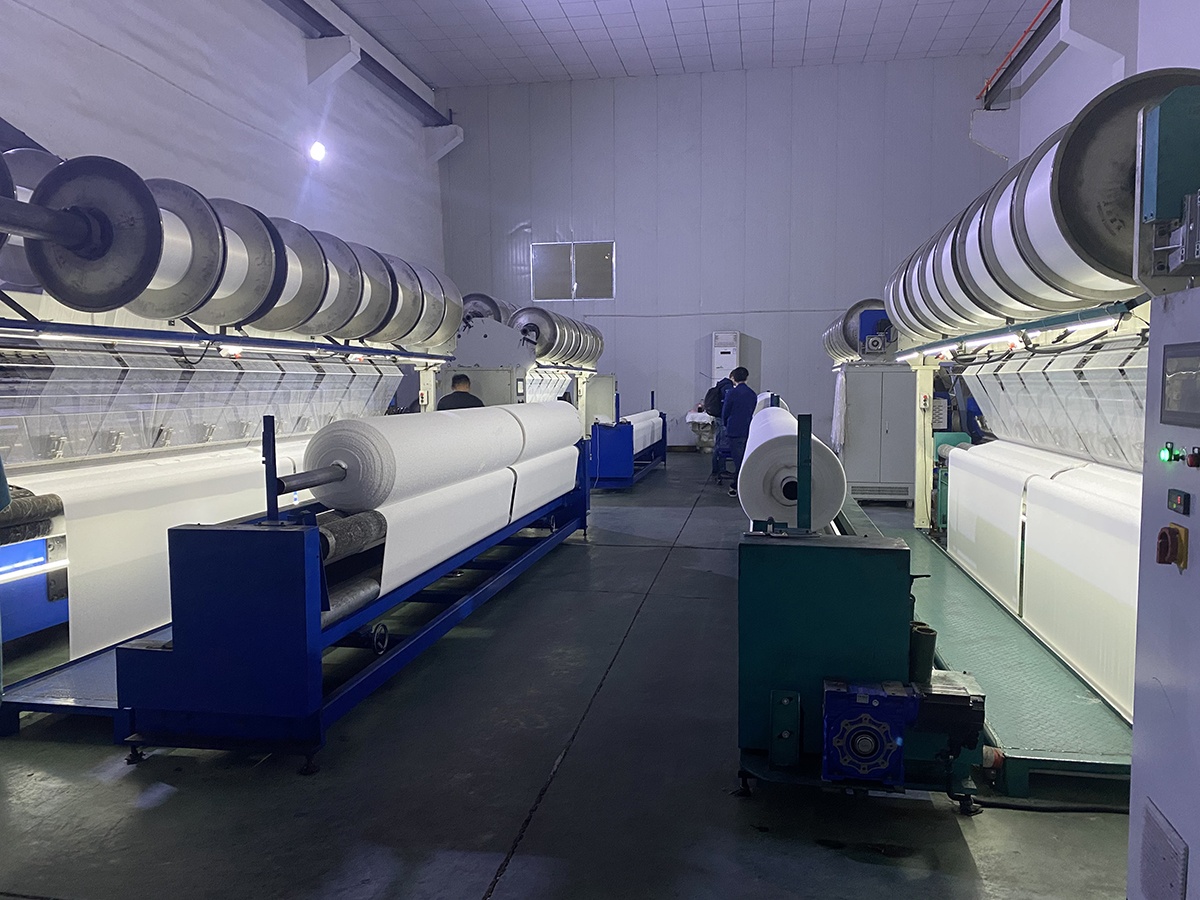
Colors GSM ranges Widths Surface structures Pile heights Fiber compositions Finishing styles
One basic product idea can adapt to different price levels and markets.
A cleaning brand may use lightweight microfiber fabric for entry-level household cloths. It uses heavier, softer construction for its premium range.
The same method works for automotive, kitchen and professional cleaning products.
Choosing a Reliable Microfiber Fabric Supplier A good microfiber fabric supplier offers more than a price.
B2B buyers value stable production, consistent fabric quality and clear communication. All three carry equal weight.
Confirm these points before placing a bulk order:
- Fabric specification
- Composition
- GSM tolerance
- Color
- Width
- Surface construction
- Sample approval
- Packaging requirements
- Production lead time
Clear specifications at the project start prevent misunderstandings during mass production.
Final Thoughts No single microfiber fabric works perfectly for every cleaning application.
A successful product starts with clear knowledge. You know where the cloth will be used. You know what performance customers expect.
Glass cleaning needs a smooth, low-lint surface. Automotive drying needs strong absorbency. Kitchen cleaning needs better dirt and grease removal. Floor cleaning needs durability and practical surface contact.
Manufacturers develop microfiber cleaning products for many markets. They match proper fiber composition, GSM, knitting structure and finishing method.
You can reach us for new microfiber cleaning product development. You can also contact us if you search for a reliable microfiber fabric supplier in China. Send your target application, fabric specification or sample.
We help you select a suitable microfiber fabric for your next project.
