Microfiber fabric is used in many cleaning and textile products, from household cloths to car care towels and professional wiping products.
For customers who have their own cutting, sewing or converting facilities, buying microfiber fabric in rolls is often more practical than purchasing finished cloths. The fabric can be cut into different sizes, combined with other materials, or made into different products according to the final application.
This also gives buyers more freedom when developing new products, especially when size, GSM, color or fabric construction may change from one project to another.
What Is Microfiber Fabric Roll?
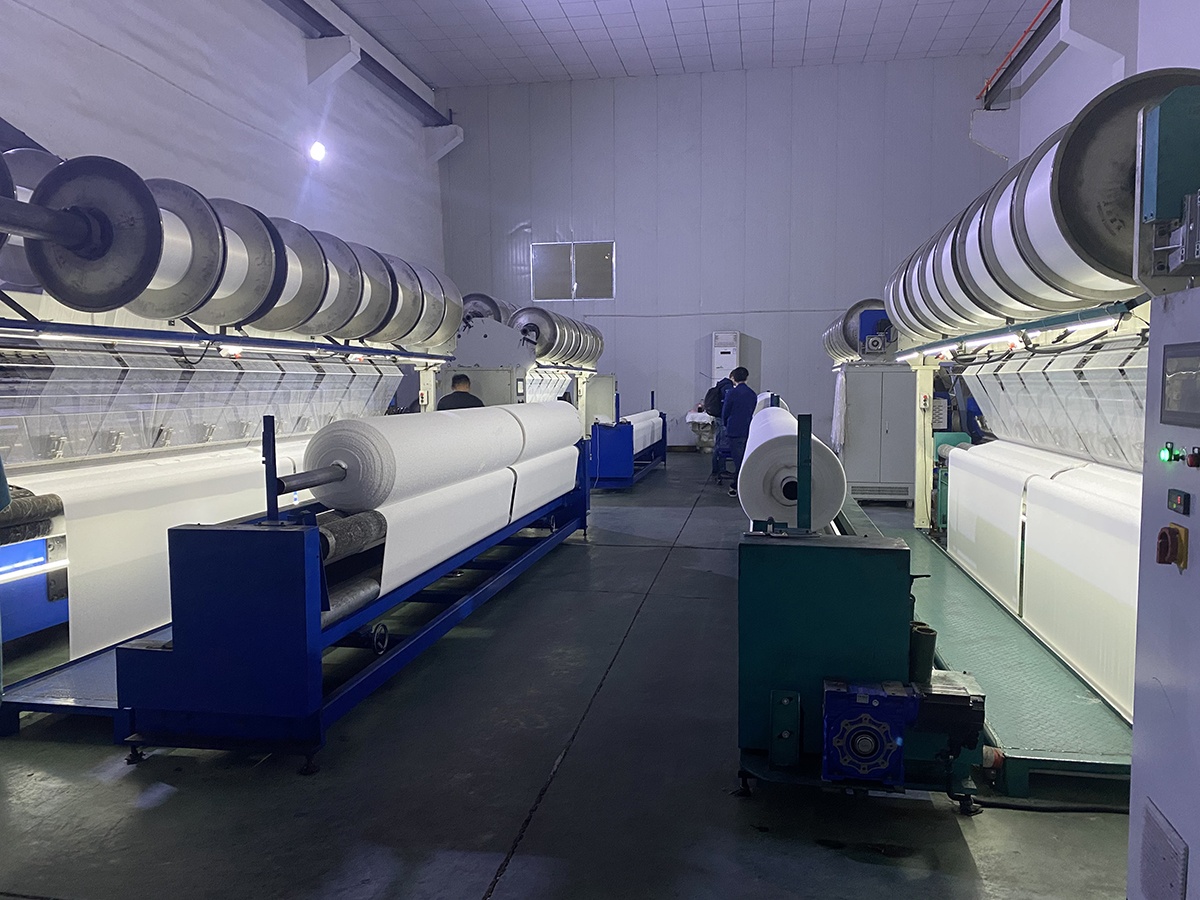
Microfiber fabric roll means continuous microfiber fabric supplied in roll form before cutting and sewing.
It is mainly purchased by manufacturers, converters, wholesalers and brands that want to make their own finished products.
After production, the fabric can be cut into cleaning cloths, towels, polishing cloths, glass cloths, wash mitts or other textile products.
For some customers, roll fabric is also easier to manage because they can decide the final dimensions themselves instead of being limited to a fixed cloth size.
Different Microfiber Fabrics for Different Uses
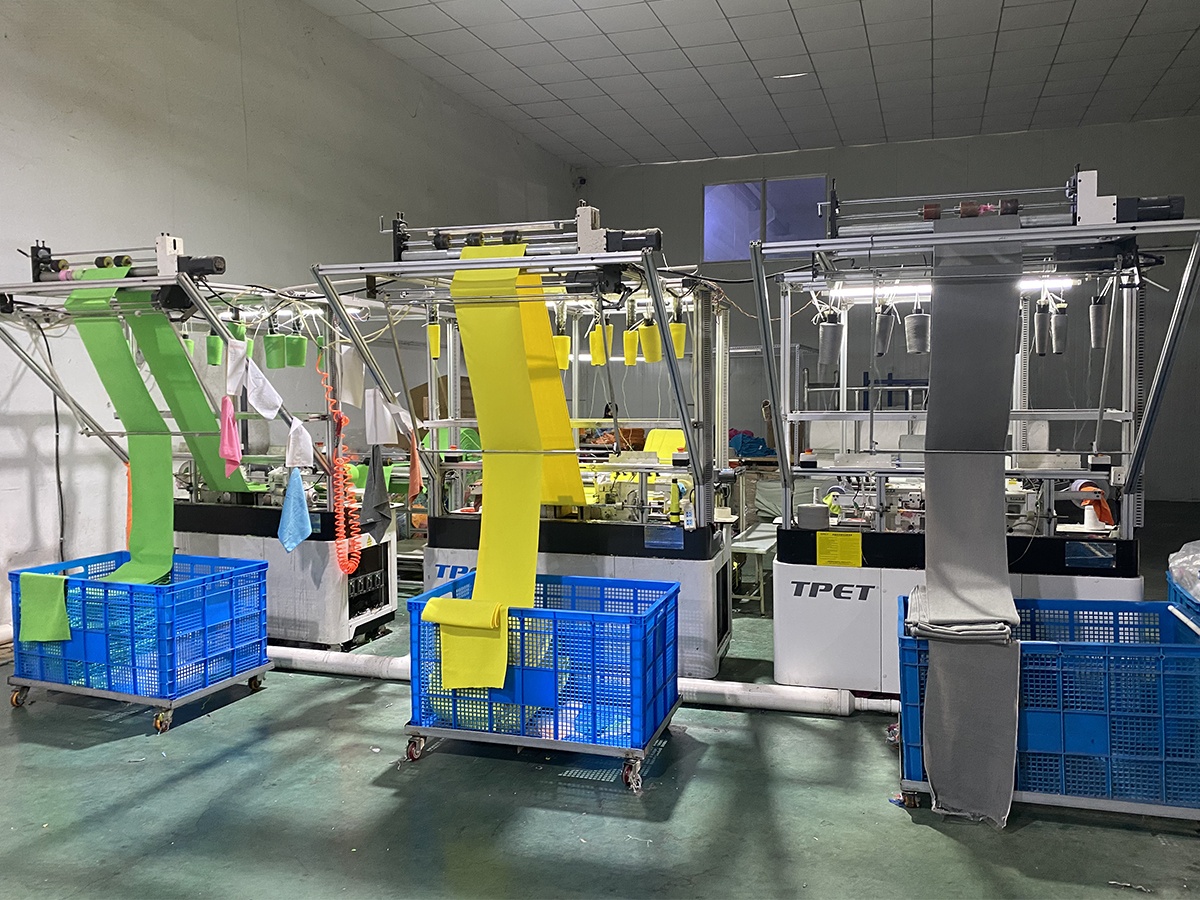
There are many types of microfiber fabric, and the right one depends on what the finished product will be used for.
A basic warp-knitted microfiber fabric works well for general household cleaning and everyday wiping.
Terry microfiber has a fuller surface and is often chosen when better water absorption and dirt pickup are needed.
Coral fleece microfiber feels softer and thicker, making it suitable for polishing, drying and other applications where a more comfortable hand feel is preferred.
Twisted-loop microfiber is commonly used for drying products because it can absorb water quickly.
For glass cleaning and smooth surfaces, suede-style microfiber is another common choice because of its flat surface and low lint.
There is no one fabric that fits every application, so the fabric structure should be selected according to the final product rather than only by price.
Common Applications
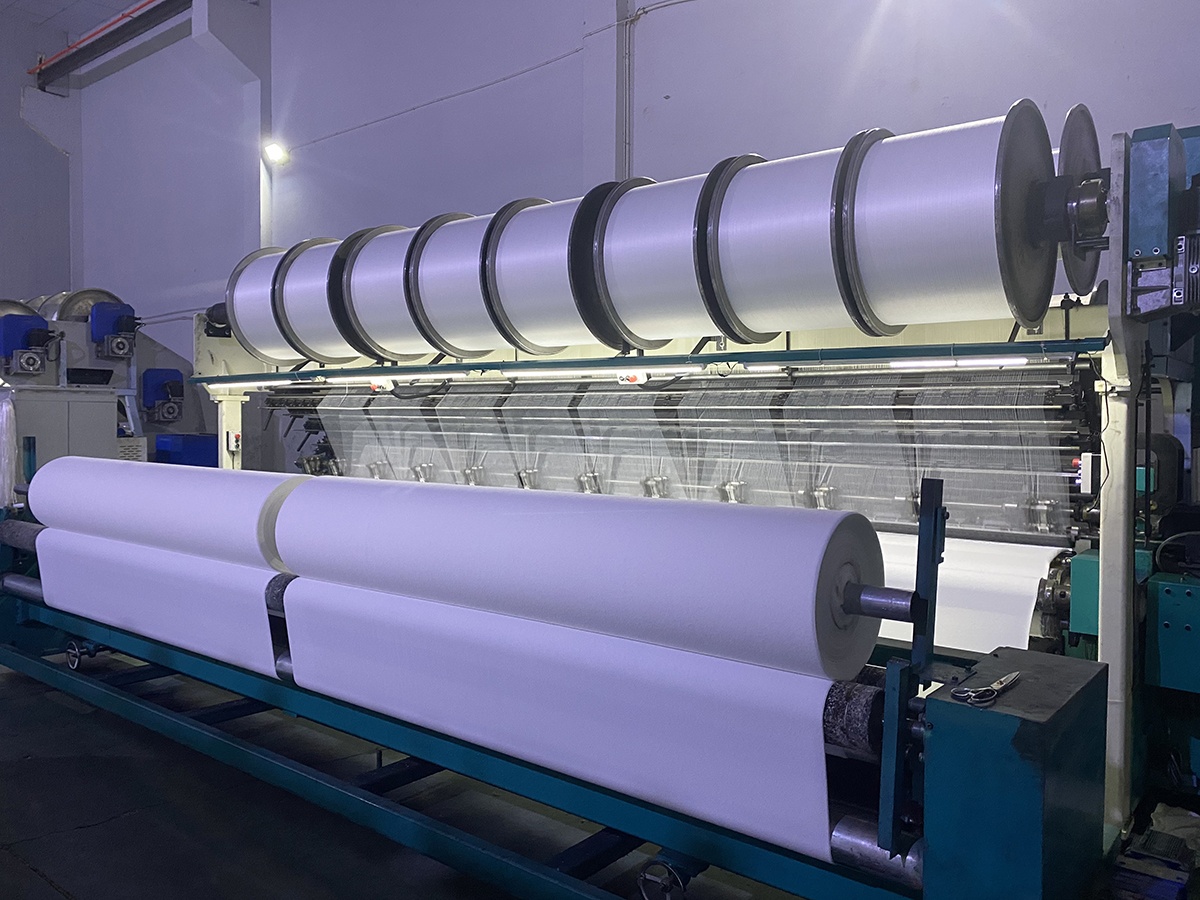
Microfiber fabric rolls can be used in a wide range of products.
In household cleaning, the fabric can be made into kitchen cloths, bathroom cloths, dusting cloths and general cleaning towels.
In automotive care, microfiber is widely used for car washing, drying, polishing and interior cleaning.
Typical finished products include:
- Car cleaning towels
- Drying towels
- Glass cloths
- Polishing cloths
- Wash mitts
- Applicator pads
- Interior cleaning cloths
For professional cleaning companies, microfiber fabric can also be used to make reusable cloths for offices, hotels, restaurants and other commercial environments.
Different colors can be used for different cleaning areas, which is especially useful for color-coded cleaning systems.
GSM Matters, but It Is Not the Only Factor
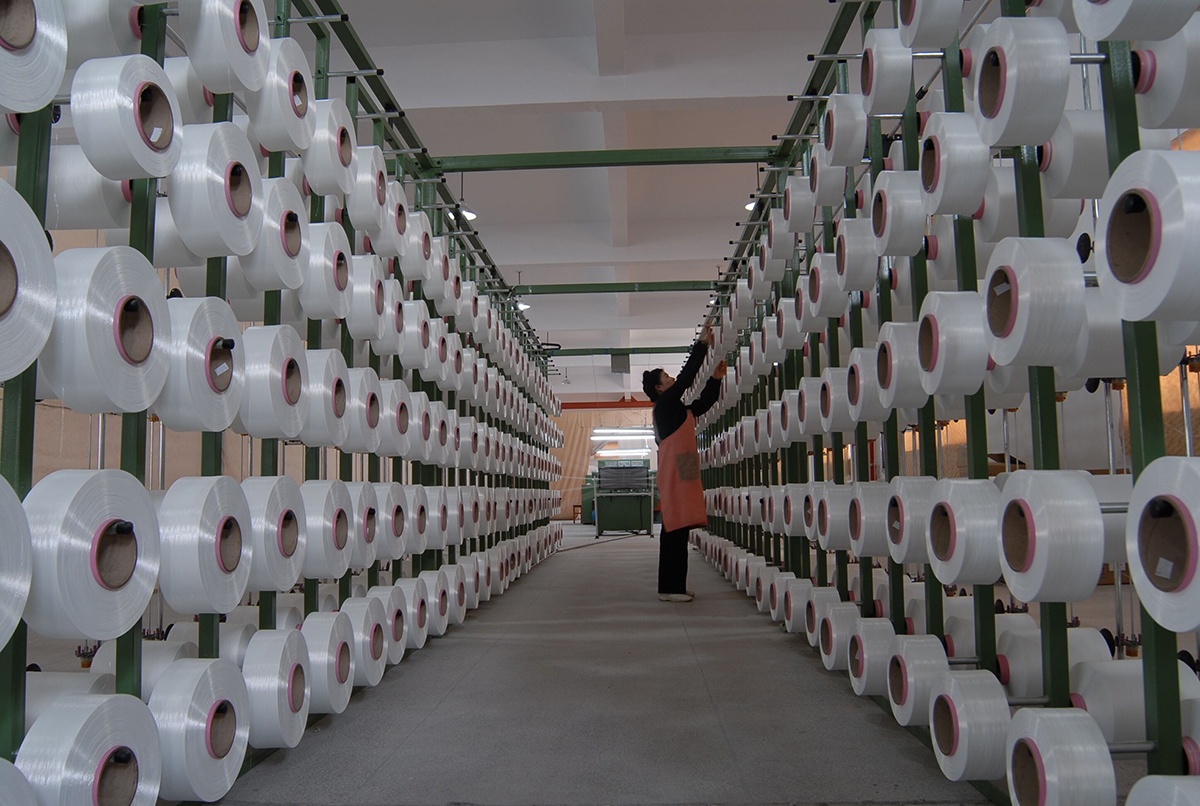
GSM is one of the first specifications buyers usually ask about, but it should not be considered alone.
A heavier fabric is not always better.
For basic cleaning, a lighter microfiber fabric may already be enough. For drying or polishing, buyers may prefer a thicker fabric with a softer hand feel.
Fabric construction, fiber composition and finishing also affect the final performance.
For this reason, it is better to choose the fabric according to its intended use instead of simply selecting the highest GSM.
Fabric Width and Cutting Efficiency
Fabric width is another important point, especially for customers doing their own cutting.
The right fabric width can help reduce waste and improve cutting efficiency.
For example, if the final cloth size is already confirmed, the roll width can be selected to suit the cutting layout as closely as possible.
This may look like a small detail, but for large-volume production it can have a noticeable impact on material usage and overall cost.
Color and Customization
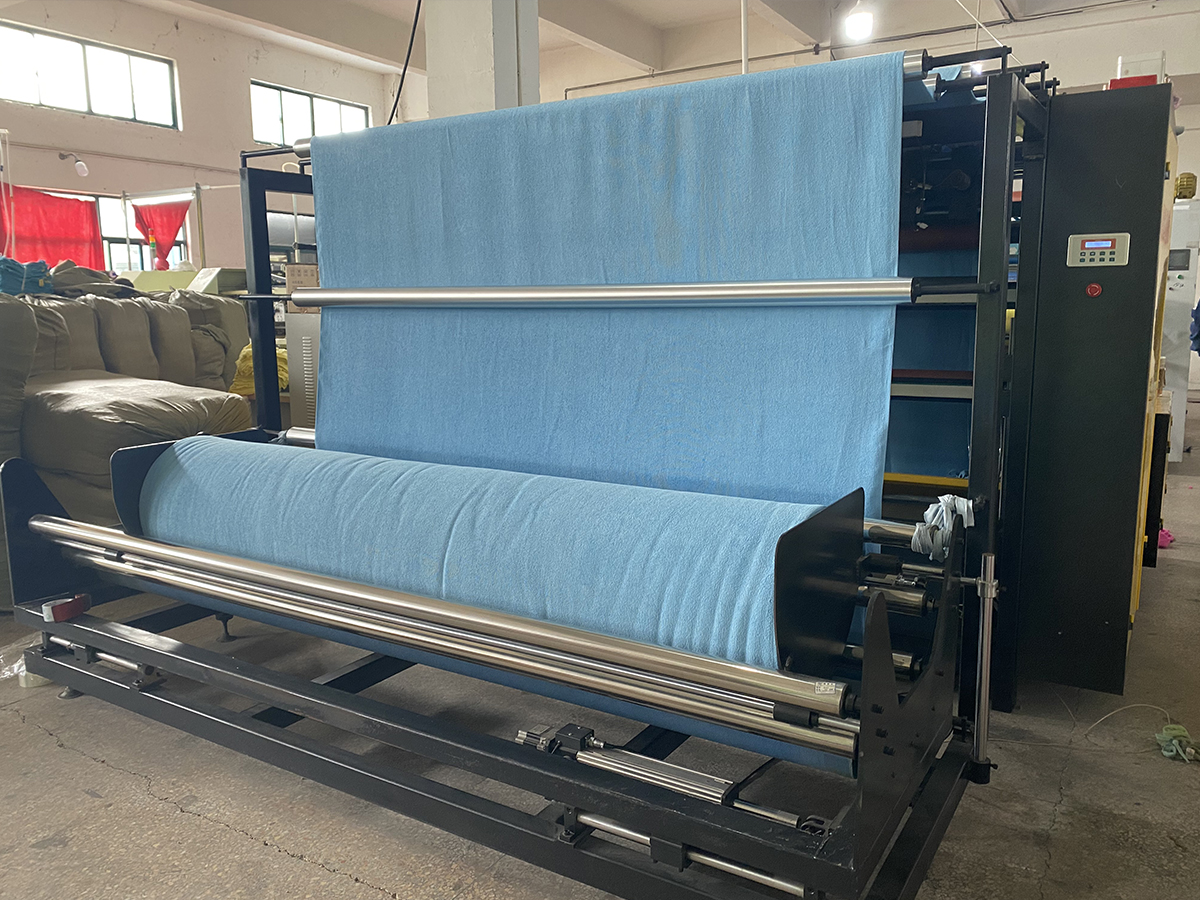
Microfiber fabric can be produced in different colors depending on order quantity and project requirements.
Some buyers prefer standard colors for general cleaning products, while others need a specific color to match their brand or product line.
For cleaning programs, different colors can also be used to separate applications.
Other details can also be adjusted, including:
- GSM
- Fabric width
- Roll length
- Fabric construction
- Surface finish
- Color
- Fiber composition
If the customer already has a fabric sample, the fabric can also be developed according to the sample for comparison.
Cutting and Finishing Options
After the fabric is supplied, it can be processed in different ways depending on the finished product.
Common options include ultrasonic cutting, straight cutting, sewing and overlock stitching.
Some lightweight microfiber fabrics are suitable for ultrasonic cutting, which gives a clean edge without traditional stitching.
For thicker towels or higher-end products, sewn edges may be more suitable.
The finishing method should be considered together with the fabric structure, because not every fabric behaves the same way after cutting.
Why Some Buyers Prefer Fabric Rolls
For customers with their own production facilities, roll fabric gives more control over the final product.
One roll can be used to make different sizes, which is useful when a buyer has several product specifications.
It also makes it easier to change packaging, dimensions or product combinations without changing the base fabric.
This is particularly useful for wholesalers, converters and private-label brands that manage several product lines at the same time.
What to Confirm Before Ordering
Before ordering microfiber fabric rolls, it is useful to confirm the main specifications clearly.
These usually include fabric structure, GSM, composition, width, color and intended application.
The final use is especially important.
A fabric for glass cleaning will normally be very different from a fabric used for car drying. In the same way, a general household cloth does not always need the same thickness as a polishing towel.
Clear product information at the beginning helps avoid unnecessary changes later in production.
Microfiber Fabric for Custom Projects
Microfiber fabric rolls are suitable for customers developing their own household cleaning, automotive care or professional cleaning products.
Different fabric constructions can be selected according to the target market and price level.
For custom projects, sample checking is usually an important step before bulk production. It allows the buyer to compare the hand feel, thickness, color and surface performance before confirming the final material.
Final Thoughts
Microfiber fabric roll is a flexible option for customers who want more control over their own product development.
The same material can be used for different finished products, while GSM, width, color and fabric construction can all be adjusted for different applications.
For buyers, the most important point is not simply choosing a microfiber fabric, but choosing the right fabric for the product they actually want to make.
