The cleaning products industry keeps changing. Consumers set new expectations. Retailers set new expectations. Professional cleaning companies set new expectations. They seek practical goods. They seek long lasting goods. They seek goods built for specific jobs. Microfiber fabric holds key status within this market. It opens many paths for manufacturers. These makers build cleaning towels. These makers build wash mitts. These makers build mop pads. These makers build other related accessories.
Traditional cleaning cloths still see heavy real world use. More buyers show interest in targeted goods. These goods fit specific surfaces. These goods fit specific cleaning tasks. Automotive detailing carries unique needs. Household cleaning carries unique needs. Commercial floor care carries unique needs. Pet cleaning carries unique needs. These varied needs create room for manufacturers. They test fresh microfiber fabric weaves. They test fresh product layouts.
Importers follow these industry shifts. Wholesalers follow these industry shifts. Cleaning product brands follow these industry shifts. This knowledge shapes material picks. This knowledge shapes product creation. This knowledge shapes future buying choices.
1. Specialized Microfiber Fabrics for Different Cleaning Applications
One major shift appears in microfiber cleaning goods. More weave types hit the market. Each weave serves distinct real world uses.
Manufacturers do not stick to one all purpose material. They pick fabrics around the exact cleaning work ahead.
Take a car drying towel for reference. It needs strong water uptake. Take a glass cleaning cloth for reference. It needs a smooth surface. This surface cuts loose fiber bits. This surface cuts visible wipe marks. Take a reusable mop pad for reference. It survives many wash cycles. It makes constant contact with floor surfaces.
Widely used microfiber fabric choices include: Microfiber Terry Fabric: A flexible material. It turns into household cleaning cloths. It turns into multi use towels. It turns into kitchen wiping items.
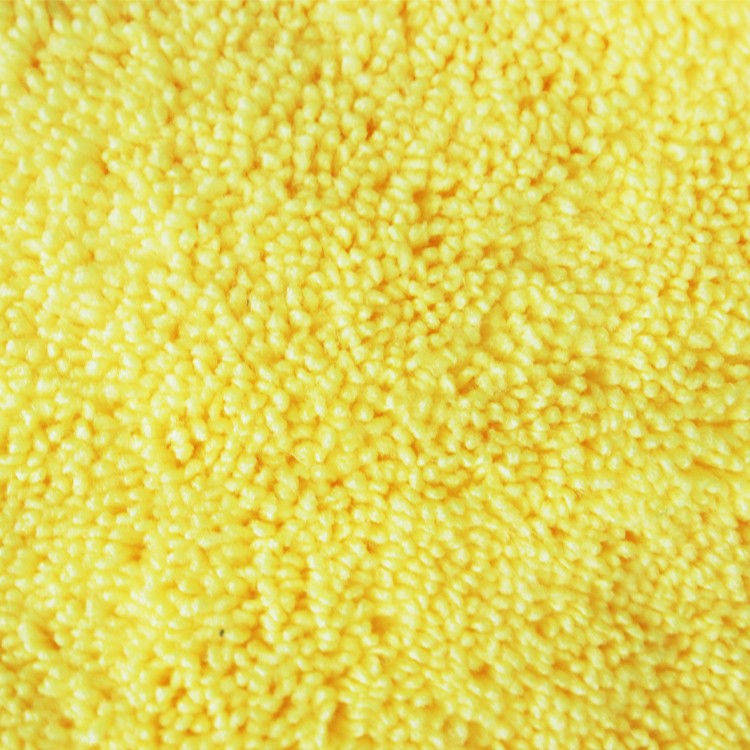
Coral Fleece Microfiber Fabric: It delivers soft, fluffy surface feel. It fits goods needing gentle touch. It fits goods needing easy handling.
Twisted Loop Microfiber Fabric: Many producers pick it for car drying towels. Its loop structure soaks up large amounts of water.
Waffle Microfiber Fabric: It appears in select kitchen goods. It appears in select glass cleaning goods. It appears in select general cleaning goods. People want its raised textured surface.
Suede Microfiber Fabric: It carries smooth, short pile features. People often pick it for glass work. People often pick it for optical surfaces. People often pick it for jobs calling for careful wiping.
Every weave brings its own set of traits. Manufacturers build goods covering many cleaning demands.
2. Automotive Detailing Creates Opportunities for Fabric Innovation
Automotive detailing stays as a key use case for microfiber fabrics.
Car owners work with microfiber goods through every cleaning step. Professional detailers work with microfiber goods through every cleaning step. These steps cover vehicle washing. These steps cover vehicle drying. These steps cover vehicle polishing. These steps cover interior upkeep.
Different surfaces call for different cleaning materials. Painted body panels need proper cloth options. Glass needs proper cloth options. Dashboards need proper cloth options. Wheels need proper cloth options. Interior trim needs proper cloth options. One single cloth cannot handle all these jobs well.
Automotive cleaning brands roll out full sets of microfiber goods.
One common set holds plush microfiber towels for final finishing. It holds twisted loop drying towels to remove water. It holds smooth cloths for glass work. It holds special fabrics for wash mitts.
Producers adjust fabric weight. Producers adjust pile length. Producers adjust surface texture. These tweaks make goods for separate buyer groups.
High end detailing brands lean toward thicker, softer fabrics. They pay close attention to surface texture details. General automotive retail sellers focus on solid real world performance. They focus on reasonable price points.
Microfiber fabric manufacturers receive new supply chances from these mixed demands. They supply materials for professional detailing lines. They supply materials for everyday car cleaning accessories.
3. Reusable Microfiber Products Remain an Important Market
Reusable cleaning goods occupy a large product category. They serve home cleaning scenarios. They serve professional cleaning scenarios.
Microfiber cleaning cloths go through repeated washing. Microfiber mop pads go through repeated washing. Microfiber wiping accessories go through repeated washing. Proper production supports this repeated use. Proper maintenance supports this repeated use.
Fabric durability gains high priority under such conditions.
Quality microfiber cleaning fabric keeps its original structure. Quality microfiber cleaning fabric keeps its cleaning power during regular use. Fiber makeup changes product service life. Knitting weave changes product service life. Finishing work changes product service life. Washing conditions change product service life.
Manufacturers select suitable fabrics. They lower cases of heavy shrinkage. They lower cases of unstable physical size. They lower cases of unwanted surface shifts after washing.
Not all microfiber fabrics stand up to identical washing treatment. Goods for ordinary home use follow one set of performance standards. Goods for commercial cleaning sites follow another set of performance standards.
Teams test sample materials under real life working conditions. This step happens before large scale production moves forward.
4. Household Cleaning Products Are Becoming More Diverse
Household cleaning represents one of the biggest application fields for microfiber fabrics.
Classic microfiber cloths wipe furniture dust. Classic microfiber cloths wipe kitchen counter tops. Classic microfiber cloths wipe appliance outer surfaces. Classic microfiber cloths keep bathroom spaces tidy.
Household cleaning product lines add more purpose built items.
Smooth microfiber fabrics handle window and mirror cleaning work. Textured fabrics deliver stronger wiping friction. They work on kitchen surfaces. They work on common household chores.
Soft coral fleece fabrics form another available option. People use them for goods needing fluffy surface feel.
Manufacturers package different microfiber cloths into cleaning sets. Consumers get multiple items for different home zones.
Importers notice these sets. Private label brands notice these sets. These sets open paths for matched product lines. Lines carry varied colors. Lines carry varied sizes. Lines carry varied fabric technical specs.
Well planned household cleaning ranges give retailers broader item selections. These ranges maintain unified product style.

5. Commercial Cleaning Requires Durability and Consistency
Professional cleaning companies hold different expectations from ordinary home users.
Cleaning cloths see frequent washing in hotels. Mop pads see frequent washing in hotels. These items see frequent washing in offices. These items see frequent washing in commercial buildings. These items run for long service cycles.
These use cases demand solid fabric durability. These use cases demand stable washing performance. These use cases demand steady production quality.
People pick weave styles for reusable mop pads. They look at cleaning methods. They look at floor surface types. They look at expected washing cycles.
Commercial wiping cloth buyers value easy physical handling. Commercial wiping cloth buyers value proper liquid absorption. Commercial wiping cloth buyers value resistance against repeated laundry runs.
Some professional sites adopt color coded cleaning rules. These rules separate items assigned to different cleaning zones.
Manufacturers serving commercial cleaning clients gain big benefits. They source fabrics with fixed color output. They source fabrics with fixed technical standards.
Stable material supply supports repeated production runs. Stable material supply cuts risks of differences across product batches.
6. Pet Cleaning Products Offer Additional Development Opportunities
Pet cleaning forms another usable field for microfiber fabrics. Brands build practical accessories from this material.
Pet owners need towels on a regular basis. Pet owners need grooming mitts on a regular basis. Pet owners need cleaning supplies on a regular basis. These supplies support pet bathing. These supplies support pet drying. These supplies support routine pet care work.
Soft microfiber fabrics make good pet drying towels. They make other related accessories. Comfort matters for these items. Moisture absorption matters for these items.
Designers test different fabric weaves. These weaves turn into goods for wiping muddy animal paws. These weaves turn into goods for pet related surface cleanup.
Some manufacturers already make household cleaning goods. Some manufacturers already make car care goods. Pet accessories let these makers apply familiar materials to fresh use cases.
Product design still deserves careful thought. Teams look at intended usage scenarios. Teams look at fabric surface texture. Teams look at finished item size. Teams look at finishing details. All these points weigh in during material selection.
Manufacturers roll out groups of connected goods. These pet cleaning collections draw interest from retailers. These pet cleaning collections draw interest from wholesalers. These pet cleaning collections draw interest from private label purchasers.
7. Fabric Texture and Construction Influence Product Performance
Buyers look at GSM values during fabric selection. Buyers look at fiber composition during fabric selection. Buyers look at pricing during fabric selection.
These factors carry real weight. Fabric weave shapes final product performance to a similar degree.
Two fabrics can share identical GSM numbers. They may feel completely different to touch. Knitting patterns create this gap. Pile height creates this gap. Yarn specifications create this gap. Finishing treatment creates this gap.
A smooth microfiber fabric can match a plush microfiber fabric in weight. Their real world performance diverges. The gap shows up in glass cleaning tasks. The gap shows up in automotive detailing tasks.
A twisted loop fabric built for drying behaves one way during handling. A classic terry weave behaves another way during handling.
Manufacturers assess fabric samples against end use scenarios. They should not make material choices only based on weight numbers.
Businesses learn links between fabric weave and cleaning output. They build products that fit target customer groups better.

8. Customization Helps Cleaning Brands Stand Out
Cleaning product markets grow more competitive. Product uniqueness gains greater importance.
Microfiber fabrics support multiple customization choices. People adjust fabric weight. People adjust fabric color. People adjust fabric texture. People adjust fabric weave. People adjust fabric finishing treatment.
Automotive care brands use customized microfiber fabrics. They build easy to recognize product sets. These sets carry matching color schemes. These sets carry matching surface textures.
Household cleaning brands may favor light weight fabrics. These fabrics come in practical color options. Professional cleaning suppliers seek specific materials. Those materials work with fixed cleaning workflows.
Customization shapes product market positioning.
High end cleaning towels need one weave style and outward look. Promotional cleaning cloths for mass distribution need another weave style and outward look.
Manufacturers share key information with fabric suppliers while developing new goods. They state planned usage scenarios. They state target technical standards. They state production related needs.
Early conversations locate suitable raw materials. Early conversations cut unnecessary sampling rounds. Early conversations cut production phase revisions.
9. Consistent Quality Is Essential for Bulk Microfiber Fabric Orders
International buyers place large volume fabric purchases. Stable fabric quality sits among their top concerns.
A sample piece can satisfy all requirements. Mass produced goods need to keep those same standards.
Shifts pop up in fabric width. Shifts pop up in GSM readings. Shifts pop up in color tones. Shifts pop up in surface texture. These shifts create trouble for manufacturers. Trouble appears in cutting steps. Trouble appears in sewing steps. Trouble appears in packaging steps.
Variable fabric width brings extra material waste. Obvious color tone gaps ruin visual unity within one product collection.
Buyers write down clear technical rules ahead of production work.
Key confirmation items cover: Fiber makeup and fabric weave GSM figures and accepted weight error range Fabric width and physical size stability Color demands and tone uniformity Shrinkage level and washing cycle performance Packaging rules and delivery conditions
Repeat order work uses approved specifications. Repeat order work uses kept reference samples. These practices sustain steady long run production output.
Buyers cooperate with experienced microfiber fabric suppliers. Communication runs smoother under new requirement changes. Communication runs smoother under product adjustment work.

10. Developing Complete Product Collections with Microfiber Fabrics
More cleaning product brands move past single item development. They build matched product collections.
Retailers gain sets of connected cleaning accessories from this model. Distributors gain sets of connected cleaning accessories from this model. These accessories serve different chores.
An automotive detailing collection can hold wash mitts. It can hold drying towels. It can hold polishing cloths. It can hold glass cleaning towels. It can hold interior care accessories.
A household cleaning collection combines kitchen cloths. It combines multi purpose wiping towels. It combines window cleaning cloths. It combines reusable mop pads.
Pet care lines include drying towels. Pet care lines include cleaning mitts. Pet care lines include paw wiping accessories.
Different items inside these collections call for different microfiber fabrics. Suppliers with multiple weave options simplify sourcing steps. Suppliers with multiple weave options simplify product development steps.
Manufacturers gain cross sales chances through matched product sets. Wholesalers gain cross sales chances through matched product sets. End customers receive richer item selections.
11. What Buyers Should Consider When Planning New Microfiber Products
Buyers launch new microfiber cleaning products. They think carefully about target markets. They think carefully about product requirements.
They first picture real world usage modes for finished goods.
One fabric fits automotive polishing tasks well. That same fabric may perform poorly for kitchen wiping work. Both materials might look soft. Both materials might look absorbent.
Buyers set target price brackets. Buyers set expected service life for finished goods. Buyers note special rules for washing and routine care.
Sampling work holds great value for new product creation.
Manufacturers test multiple fabric weave choices. They compare cleaning output. They compare outward appearance. They compare handling experience. They lock final material options after these comparisons.
International microfiber fabric purchasers talk through these details with suppliers. These talks raise overall development efficiency.

12. Working with an Experienced Microfiber Fabric Manufacturer
Trusted microfiber fabric manufacturers contribute a great deal. They support product creation. They support long term material sourcing.
Competitive pricing forms just one part of supplier value. Qualified suppliers understand varied fabric weaves. Qualified suppliers understand manufacturing constraints. Qualified suppliers understand real world cleaning product uses.
Clear exchanges around fabric specifications help buyers pick materials. Clear exchanges around fabric specifications keep output steady across separate production batches.
Changshu Gongsheng Textile Co., Ltd. supplies diverse microfiber fabrics. These fabrics apply to automotive care work. These fabrics apply to household cleaning work. These fabrics apply to kitchen cleaning work. These fabrics apply to glass care work. These fabrics apply to floor cleaning work. These fabrics apply to pet cleaning work.
Our fabric range meets varied manufacturing demands. It covers ordinary daily use cleaning cloths. It covers highly targeted microfiber cleaning goods.
We collaborate with buyers across the globe. We offer proper fabric selections for varied product layouts. We offer proper fabric selections for varied purchasing demands.
Customers build brand new cleaning collections. Customers source materials for existing mature goods. Proper microfiber fabric selection stays a core step within the whole workflow.
Looking Ahead: More Possibilities for Microfiber Fabric
Market trends push cleaning goods toward specialization. Market trends push cleaning goods toward reusability. Market trends push cleaning goods toward scenario focused design. Microfiber fabric opens fresh chances for cleaning product manufacturers.
Microfiber brings wide application flexibility. Manufacturers create goods for many industry sectors. They test new surface textures. They test new fabric weave patterns. They test new product shapes.
Importers keep track of these potential directions. Wholesalers keep track of these potential directions. Cleaning product brands keep track of these potential directions. This awareness guides product planning. This awareness supports competitive product set creation.
Automotive detailing uses microfiber fabrics. Household cleaning uses microfiber fabrics. Commercial floor care uses microfiber fabrics. Pet related accessories use microfiber fabrics. Microfiber fabrics supply flexible base material for large groups of finished goods.
Looking for reliable microfiber fabric solutions for your next collection? Explore our microfiber fabric range at http://www.fabricmicrofiber.com or contact us at mailto:microfiberkh@phoebetai.com to discuss your fabric specifications, sourcing requirements and product development needs.
